
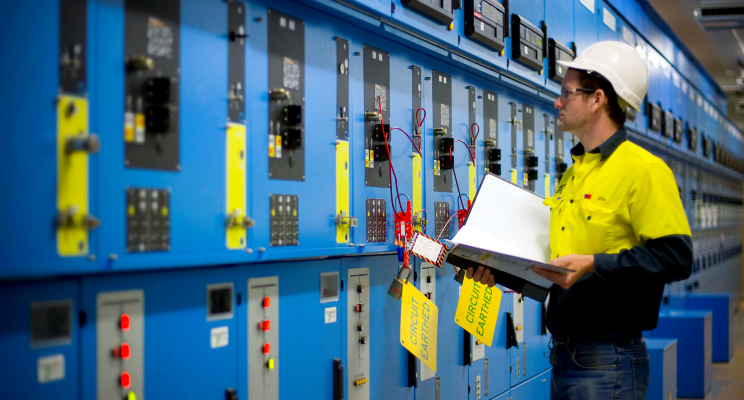
Compliance is the backbone of every utility‑scale solar and BESS project. It affects safety, grid connection, construction, commissioning, insurance, and ultimately the bankability of the entire asset. Yet many delays, redesigns, and disputes in the industry can be traced back to one root cause:
Unverified or under‑qualified engineering input.
When compliance‑critical work is handled by the wrong person (even unintentionally) the consequences ripple across the entire project lifecycle. This is why verified experts are no longer optional; they’re essential.
1. Utility‑scale projects operate under strict regulatory pressure
Every major stakeholder like AEMO, NSPs, state regulators, insurers, financiers expects engineering work to be:
- Accurate
- Defensible
- Standards‑aligned
- Traceable
- Completed by qualified professionals
Compliance failures can lead to:
- Rejected GPS submissions
- Delayed R2 testing
- Failed commissioning
- Redesigns
- Insurance complications
- Safety risks
- Contractual disputes
Verified experts reduce these risks dramatically.
2. Grid connection requirements demand specialist knowledge
Grid compliance is one of the most complex parts of utility‑scale development. It requires engineers who understand:
- PSCAD/PSS®E modelling
- Protection coordination
- Harmonics
- Fault studies
- Earthing
- Inverter behaviour
- OEM‑specific integration requirements
These are not generalist skills. They require deep, discipline‑specific expertise and verification ensures the right people are doing the work.
3. OEM integration requires precise technical alignment
OEMs for inverters, BESS, trackers, and HV equipment all have strict requirements. Incorrect assumptions or misinterpretations can cause:
- Warranty issues
- Integration failures
- Safety risks
- Commissioning delays
- Non‑compliant designs
Verified experts ensure that OEM requirements are understood and applied correctly.
4. EPCs and developers need defensible engineering
When disputes arise the first question asked is:
“Who signed off on this?”
Verified experts provide:
- Traceability
- Accountability
- Professional oversight
- Confidence for financiers and IPPs
- Protection for EPCs and developers
This is critical for bankability and risk management.
5. BESS projects introduce new layers of compliance
Battery energy storage systems add complexity around:
- Fire safety
- Thermal runaway mitigation
- Ventilation
- Hazardous area classification
- Emergency response
- Electrical safety
- Cybersecurity
- Controls and SCADA
These are high‑risk areas. Only verified specialists should be touching them.
6. Verified experts reduce rework and accelerate delivery
When the right engineer handles the work from the start:
- Fewer revisions
- Faster approvals
- Cleaner documentation
- Smoother commissioning
- Lower project risk
- Better alignment with standards
This directly impacts project timelines and cost.
7. Compliance is not just technical — it’s commercial
For developers, EPCs, IPPs, and OEMs, compliance affects:
- Contract obligations
- LD exposure
- Insurance coverage
- Asset valuation
- Investor confidence
- Operational risk
Verified experts protect the commercial integrity of the project, not just the technical output.
The bottom line
Utility‑scale solar and BESS projects are too complex, too regulated, and too high‑risk to rely on unverified engineering input.
Verified experts ensure:
- Compliance
- Safety
- Accuracy
- Bankability
- Faster delivery
- Lower risk
This is why compliance‑critical work must be handled by professionals who are qualified, vetted, and accountable, not generic freelancers or unverified contractors.